When to Replace a Whip or Paddle: Wear & Inspection Guide
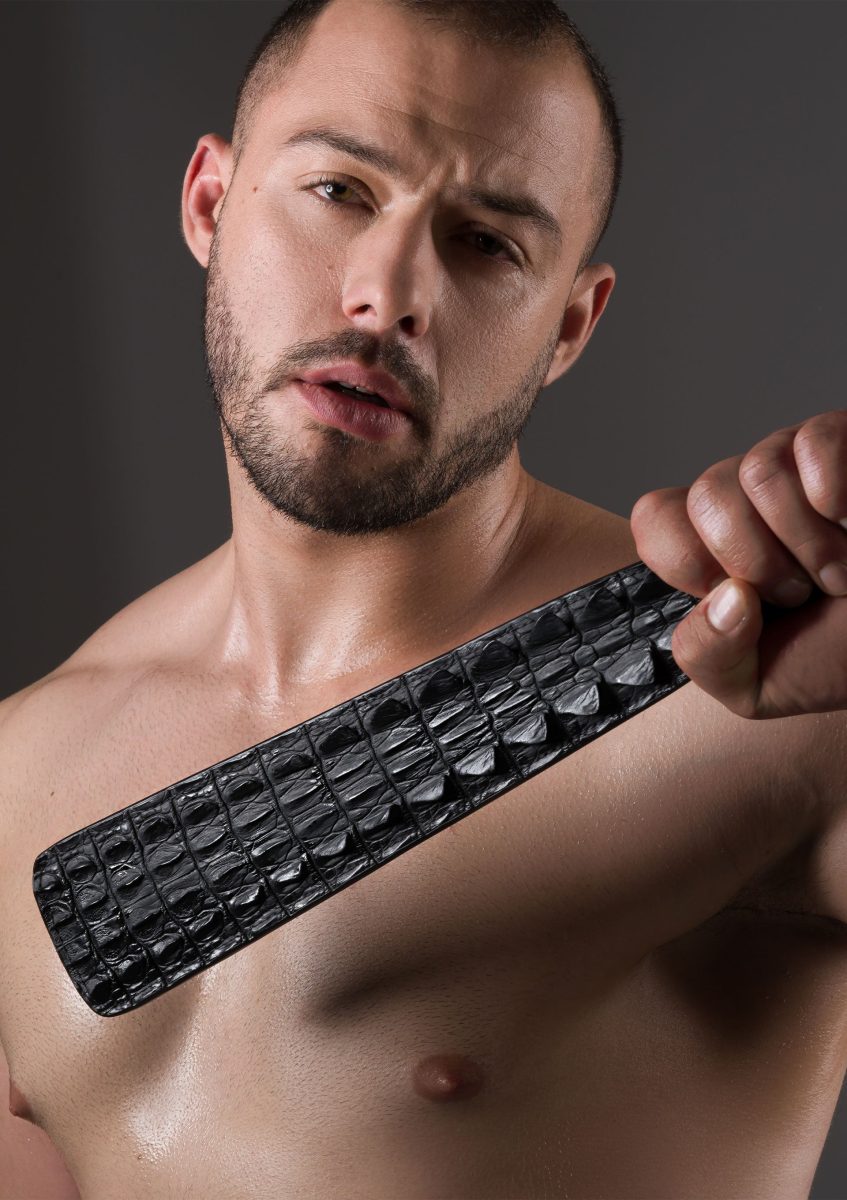
Replace a whip, paddle or cane when its surface is no longer smooth and intact. That includes cracks, splinters, peeling coating, loose stitching or a wobbly handle. These faults can scratch skin, trap bacteria or make the toy fail mid-use. Small cosmetic marks are usually fine. Anything that changes how the toy feels against skin or how securely it holds together means it is time to retire it.
This guide covers what to check, how often to check it and how to tell normal ageing from real damage. It complements our cleaning and storage advice by focusing on one question: is this toy still safe to use?
Why inspection matters more than age
Impact toys don't come with an expiry date. A well-kept leather paddle can last for years, while a cheaper one stored in a damp drawer may fail within months. The real factors are:
- Material: leather, faux leather (PU or vinyl), silicone, wood, acrylic, metal and feathers all age differently.
- Frequency and intensity of use: repeated flexing stresses canes, whip tails and paddle joints.
- Cleaning habits: harsh products dry out leather and break down coatings.
- Storage: heat, sunlight, humidity and pressure all speed up wear.
So the best habit is a quick visual and tactile check before every session, plus a more thorough check every few months.
The 60-second pre-use checklist
Before each use, take a minute under good light and run your hand slowly over every surface that will touch skin.
- Look: scan for cracks, splits, peeling, discoloured patches or mould spots.
- Feel: any roughness, raised fibres, splinters or sharp edges are a red flag.
- Flex gently: bend tails, canes and straps slightly. Listen for creaks and watch for new creases.
- Tug the joints: check that handles, rivets, stitching and tassel attachments are firm.
- Smell: a musty or sour odour often means moisture is trapped inside the material.
If the toy fails any step, set it aside. It's better to pause than to discover a problem during play.
Warning signs by material
| Material | Normal ageing | Replace or repair when… | Typical lifespan with care* |
|---|---|---|---|
| Genuine leather | Darkening, softening, light surface marks | Deep cracks, stiff brittle patches, loose or rotting stitching, mould | Several years |
| Faux leather (PU/vinyl) | Slight sheen loss | Flaking, peeling or bubbling surface, exposed fabric backing | 1–3 years |
| Silicone | Light dust attraction | Tears, nicks, sticky or tacky texture, permanent stains | Several years |
| Wood | Slight colour change | Splinters, cracks, lifted varnish, warping | Long, if kept dry |
| Rattan / synthetic cane | Minor surface scuffs | Fraying, visible fibres, splits along the length, unusual flex | Varies widely; inspect often |
| Feathers | Slight fluffiness loss | Broken quills, bald spots, shedding, sharp exposed shafts | Months to a year or two |
*Approximate guidance for personal use; actual lifespan depends on use and storage.
Leather whips and floggers
Leather lasts when it stays supple. Watch the area where the tails meet the handle, since that is where flexing concentrates. Fine surface lines can often be eased with a leather conditioner. Cracks you can catch with a fingernail cannot be fixed. A whip such as the Performance Whip should also be checked for a firm handle wrap and intact tail ends.
Paddles
On paddles, the face and edges matter most. Embossed or textured surfaces, like the Croc-Embossed Paddle, can hide small tears in the pattern, so run your fingers along the grooves. Printed designs, as on the Dirty Footprint Paddle, may fade over time. Fading is cosmetic. Peeling or a lifting top layer is not.
Canes
Canes are the toy most likely to fail suddenly, because their strength depends on an intact core. Check the full length for hairline splits, and pay extra attention near the tip and handle. If the flex feels different from before, or a cane like the Obedience Cane shows any fraying, replace it rather than taping it.
Feather ticklers
Feathers are gentle but delicate. Broken quills can leave sharp shafts, so replace a Double Feather Tickler once it starts shedding heavily or shows bare spots. Shake feathers out after use and never soak them.
Repair or replace? A simple rule
Some issues are worth fixing. Others are not.
- Usually fine to fix: dry leather (condition it), a loose keeper loop, dust or lint (clean it), a slightly loose screw on a hardware handle.
- Replace: any break in the skin-contact surface, splinters, structural cracks, mould that returns after cleaning, peeling coatings, or damage you'd need glue or tape to hold together.
Tape and glue can hide damage and create new edges. Don't use them on surfaces that touch skin.
Habits that extend lifespan
- Clean after every use with a product suited to the material. Use mild toy cleaner or soap and water for silicone. Use a damp cloth and leather cleaner for leather.
- Dry fully at room temperature, away from radiators and direct sun.
- Store loosely: hang whips and floggers, and lay paddles and canes flat. Avoid heavy items on top.
- Separate materials: some materials can react when they touch, so use cloth bags or individual pouches.
- Keep personal toys personal: porous materials like leather and feathers are hard to sanitise fully, so it's best not to share them between partners.
- Rotate toys if you play often, so each one has time to rest and dry out.
The same storage logic applies to restraints. Leather cuffs from our handcuffs range benefit from the same conditioning and dry, ventilated storage.
A note on skin and safety
A damaged toy is a hygiene risk as well as a comfort issue. Rough or broken surfaces can irritate skin. If the skin is ever broken, or redness, swelling or irritation doesn't settle, stop use and consult a doctor. Always agree on intensity and a safe word with your partner beforehand, and check in during play.
Frequently asked questions
How often should I inspect my whip or paddle?
Do a quick check before every use and a thorough one every two to three months, or after long storage.
Can I fix a cracked leather paddle?
Fine surface lines can often be improved with conditioner. Deep cracks or splits in the striking surface mean the paddle should be replaced.
Is it safe to use a cane with small splinters?
No. Splinters can scratch or cut skin, and they often signal internal damage. Retire the cane.
Why does my faux leather toy feel sticky?
Stickiness usually means the coating is breaking down, often because of heat or harsh cleaners. It won't recover, so replace the toy.
Do feather ticklers need cleaning?
Shake them out and spot-clean gently. Don't soak them, and keep them personal, since feathers can't be fully disinfected.
Ready for a replacement?
If your inspection turned up a worn-out favourite, browse our full range of whips & spankers. It includes leather and faux leather paddles, canes and feather ticklers for every experience level.